
.svg)






CHARACTERIZATION AND THE FATTY ACID PROFILE ANALYSIS OF THE OIL EXTRACTED FROM RHYNCHOPHORUS PHOENICIS LARVA; HEALTH IMPLICATIONS OF ITS CONSUMPTION
Keywords:
physicochemical properties, larva, oil, vegetables, whole grains, fruits, fatty acid profile.Abstract
Background: Maintaining a healthy lifestyle especially the protection from chronic diseases such as hypertension (BP), cardiovascular diseases, diabetes, cancer and obesity through the use of animal products, insects, plant foods; mainly fruits, vegetables and herbs is growing among scientists and health care givers. In the past few years, there has been a new upsurge of interest in the use of insects as food. This research study was conducted to characterize the physical properties and fatty acid profile of the oil extracted from the larvae of Rhynchophorus phoenicis, sold at Oba, Anambra State, South-East, Nigeria. Method: The oil was extracted from the larva using n-hexane and ethyl alcohol. The physical constants were determined using various standard titration methods. The fatty acid profile was determined by the technique of gas chromatography. Result: The results of the study indicated values of 18.11 ± 0.39mg/g, 1.8 ± 0.26mgKOH/g, 0.9 ± 0.13%, 41.43 ± 0.63MeqKOH/g and 327.60 ± 9.1mgKOH/g for iodine, acid, free fatty acid, peroxide and saponification values. Fatty acid analysis showed the presence of unsaturated fatty acids at low level (4.73% of total lipid). Myristate, palmitic acid and palmitoleic acid constituted 57.18, 15.15 and 12.03% of the oil. The study has shown that R. phoenicis has high percentage of saturated fatty acid. The larva oil is relatively liquid at room temperature, which makes it unique as this is unusual for animal oil. This may be due to the presence of unsaturated fatty acid, linoleic acid (C18:2) among the saturated forms. Reducing the intake or cutting out unhealthy snacks and replacing them with the healthy ones can have a positive effect on people’s health. Since increased intake of saturated fat and salt are linked to cardiovascular disease, the change from unhealthy to healthy snacks is very beneficial. However, snacking contributes to excessive levels of fat in the body. Conclusion: The larvae should be taken with fruits, whole grains and vegetables. Hence, it is important to take into consideration the sources of fatty acid and the global dietary patterns when judging the beneficial or deleterious effect of these fatty acids on people’s health and disease.
Method: The oil was extracted from the larva using n-hexane and ethyl alcohol. The physical constants were determined using various standard titration methods. The fatty acid profile was determined by the technique of gas chromatography.
Result: The results of the study indicated values of 18.11 ± 0.39mg/g, 1.8 ± 0.26mgKOH/g, 0.9 ± 0.13%, 41.43 ± 0.63MeqKOH/g and 327.60 ± 9.1mgKOH/g for iodine, acid, free fatty acid, peroxide and saponification values. Fatty acid analysis showed the presence of unsaturated fatty acids at low level (4.73% of total lipid). Myristate, palmitic acid and palmitoleic acid constituted 57.18, 15.15 and 12.03% of the oil. The study has shown that R. phoenicis has high percentage of saturated fatty acid. The larva oil is relatively liquid at room temperature, which makes it unique as this is unusual for animal oil. This may be due to the presence of unsaturated fatty acid, linoleic acid (C18:2) among the saturated forms. Reducing the intake or cutting out unhealthy snacks and replacing them with the healthy ones can have a positive effect on people’s health. Since increased intake of saturated fat and salt are linked to cardiovascular disease, the change from unhealthy to healthy snacks is very beneficial. However, snacking contributes to excessive levels of fat in the body.
Conclusion: The larvae should be taken with fruits, whole grains and vegetables. Hence, it is important to take into consideration the sources of fatty acid and the global dietary patterns when judging the beneficial or deleterious effect of these fatty acids on people’s health and disease.
Received: November 26, 2022
Accepted: January 24, 2023
References
J. K. Edijala, O. Egbogbo and A. A. Anigboro, Proximate composition and cholesterol concentrations of Rhynchophorus phoenicis and Oryctesmonoceros larvae subjected to different heat treatments, African Journal of Biotechnology 8(10) (2009), 2346-2348.
M. N. Opara, F. T. Sanyigha, I. P. Ogbuewu and I. C. Okoli, Studies on the production trend and quality characteristics of palm grubs in the tropical rainforest zone of Nigeria, Journal of Agricultural Technology 8(3) (2012), 851-860.
T. Ekrakene and C. L. Igeleke, Microbial isolates from the roasted larva of the palm weevil (Rhynchophorus phoenicis [Fabr.]) from Edo and Delta states of Nigeria, American Journal of Biology and Applied Science 1 (2007), 763-768.
L. N. Adobeze and V. H. A. Enemor, Basic nutrient compositions of the larva of Raphia palm weevil, Food Therapy and Health Care 4(1) (2022), 6. doi:10.53388/FTHC202201330006.
L. N. Adobeze and V. H. A. Enemor, Amino acid and carbohydrate profiles of Rhynchophorus phoenicis (the larva of Raffia palm weevil), American Journal of Health Research 8(5) (2020), 89-95. doi:10.11648/j.ajhr.20200805.13.
S. Paeratakul, D. P. Fredi, C. M. Champagne, D. H. Ryan and G. A. Bray, Fast-food consumption among US adults and children: dietary and nutrient intake profile, J. Am. Diet. Assoc. 103(10) (2003), 1332-1338.
S. M. Innis, T. J. Green and T. K. Halsey, Variability in the trans fatty acid content of foods within a food category: implications of estimation of dietary trans fatty acid intakes, J. Am. Coll. Nutr. 18(3) (1999), 255-260.
S. Stender, J. Dyerberg, A. Busted, T. Leth and A. Astrup, A trans world journey, Atherosclerosis Supp. 7 (2006), 47-52.
I. C. Onunogbu, Lipids in Human Existence, AP Express Publishers, Nsukka, Nigeria, 2002.
M. O. Aremu, I. Ogunlade and A. Olonisakin, Fatty acid and amino acid composition of protein concentrate from cashew nut Anarcadium occidentale grown in Nasarawa State, Nigeria, Pakistan Journal of Nutrition 6 (2007), 419-423.
AOAC, Association of Analytical Chemistry, Methods for Proximate Analysis, 1990, pp. 2217-2280.
L. V. Cocks and C. V. Rede, Laboratory Handbook for Oil and Fat Analysts, Academic Press, London/New York, 1996, pp. 30-37.
R. A. Oderinde, A. Ajay and A. Adewuy, Characterization of seed and seed oil of Huracrepitans and the kinetics of degradation of the oil during heating, Electronic Journal of Environmental, Agricultural and Food Chemistry 8(3) (2009), 201-208.
K. O. Esuoso and S. M. Odetokun, Proximate chemical composition and possible industrial utilization of Biphiasapida seed oils, La Rivista Italiana Delle Sostanze Grasse 72 (1995), 7.
E. Akbar, Z. Yaakob, S. K. Kamarudin, M. Ismail and J. Salimon, Characteristic and composition of Jatrophacurcas oil seed from Malaysia and its potential as biodiesel feedstock, European Journal of Scientific Research 29(3) (2009), 396-403.
E. B. Essein and C. E. Amadi, Physicochemical characterization of butternut (Jugulanscinerea) oil, Global Journal of Pure and Applied Science 15(3) (2009), 339-341.
K. C. B. Husnu and G. Buchbauer, Handbook of Essential Oils: Science, Technology and Applications, CRC Press, Boca Raton, London, New York, 2010.
M. Z. Kyari, Extraction and characterization of seed oils, International Journal of Agrophysics 22 (2008), 139-142.
O. J. Abayeh, E. A. Aina and C. O. Okounghae, Oil content and oil quality, Characteristics of some Nigerian oils seeds, Science Forum: Journal of Pure and Applied Sciences 1(1) (1998), 17-23.
C. E. C. Fernando and E. O. Akujobi, Chemical analysis of selected vegetable oils and fats of Sokoto State of Nigeria, Journal of Basic and Applied Science 1 (1987), 11.
J. Fernandez-Lopez, E. Sayas-Barbera, T. Munoz, E. Sendra, C. Navarro and J. A. Perez-Alvarez, Effect of packaging conditions on shelf life of ostrich steaks, Meat Science 78 (2008), 143-152.
A. I. Bamgboye and O. I. Adejumo, Physicochemical properties of Roselle seed oil, Nutrition and Food Science 40(2) (2010), 186-192.
P. Nestal, P. Clifton and M. Noakes, Effects of increasing dietary palmitoleic acid compared with palmitic and oleic acids on plasma lipids of hypercholesterolemic men, Journal of Lipid Research 35 (1994), 656-662.
S. M. Grundy, Influence of stearic acid on cholesterol metabolism relative to other long-chain fatty acids, American Journal of Clinical Nutrition 60(6 Suppl.) (1994), 986S-990S.
G. W. Power, M. H. Cak and E. A. Newsholme, The influence of diet on the activity of carnitine palmitoyl transferase 1 toward a range of acyl CoA esters, Lipids 32 (1997), 31-37.
S. Lewington and R. Clarke, Combined effects of systolic blood pressure and total cholesterol on cardiovascular disease risk, Circulation 112 (2005), 3373-3374.
J. E. Neter, B. E. Stam, F. J. Kok, D. E. Grobbee and J. M. Geleijnse, Influence of weight reduction on blood pressure: a meta-analysis of randomised controlled trials, Hypertension 42 (2003), 878-884.
L. J. Appel, C. M. Champagne, D. W. Harsha, L. S. Cooper, E. Obarzanek, P. J. Elmer, V. J. Stevens, W. M. Collier, P. H. Lin, L. P. Svetkey, S. W. Stedman and D. R. Young, Effects of comprehensive lifestyle modification on blood pressure control: main results of the PREMIER clinical trial, JAMA 289 (2003), 2083-2093.
L. J. Appel, F. M. Sacks, V. J. Carey, E. Obarzanek, J. F. Swain, E. R. Miller, P. R. Conlon, T. P. Erlanger, B. A. Rosner, N. M. Laranjo, J. Charleston, P. McCarron and L. M. Bishop, Effects of protein, monounsaturated fat, and carbohydrate intake on blood pressure and serum lipids: results of the OmniHeart randomised trial, JAMA 294 (2005), 2455-2464.
M. Shah, B. Dams-Huet and A. Garg, Effect of high-carbohydrate or high-cis-monounsaturated fat diets on blood pressure: a meta-analysis of intervention trials, Am. J. Clin. Nutr. 85 (2007), 1251-1256.
K. Miura, J. Stamler, H. Nakagawa, P. Elliott, H. Ueshima, Q. Chan, I. J. Brown, I. Tzoulaki, S. Saitoh, A. R. Dyer, M. L. Daviglus, H. Kesteloot, A. Okayama, J. D. Curb, B. L. Rodriguez, P. J. Elmer, L. M. Steffen, C. Robertson and L. Zhao, Relationship of dietary linoleic acid to blood pressure, The international study of macro-micronutrients and blood pressure study (corrected), Hypertension 52 (2008), 408-414.
J. M. Geleijnse, E. J. Giltay, D. E. Grobbee, A. R. Donders and F. J. Kok, Blood pressure response to fish oil supplementation: metaregression analysis of randomized trials, J. Hypertens 20 (2002), 1493-1499.
H. Ueshima, J. Stamler, P. Elliott, Q. Chan, I. J. Brown, M. R. Carnethon, M. L. Daviglus, K. He, A. Moag-Stahlbery, B. L. Rodriguez, L. M. Steffen, H. L. Van, J. Yarnell and B. Zhou, Food omega-3 fatty acid intake of individuals (total, linolenic acid, long-chain) and their blood pressure: INTERMAP study, Hypertension 50 (2007), 313-319.
M. Terai, M. Ohishi, N. Ito, T. Takagi, Y. Tatara, M. Maine, N. Domain, H. Rakugi and T. Ogihara, Comparison of arterial functional evaluations as a predictor of cardiovascular events in hypertensive patients: the non-invasion atherosclerotic evaluation in hypertension, (NOAH) study, Hypertens. Res. 31 (2008), 1135-1145.
S. G. Anderson, T. A. Sander and J. K. Cruickshank, Plasma fatty acid composition as a predictor of arterial stiffness and mortality, Hypertension 53 (2009), 839-845.
T. Hamazàki, M. Urakaze, S. Sawazaki, K. Yamazaki, H. Taki and S. Yano, Comparison of pulse wave velocity of the aorta between inhabitants of fishing and farming villages in Japan, Atherosclerosis 73 (1988), 157-160.
T. Yamada, J. P. Strong, T. Ishii, T. Ueno, M. Koyama, H. Wagayama, A. Shimizu, T. Sakai, G. T. Malcom and M. A. Guzman, Atherosclerosis and omega-3 fatty acids in the population of a fishing village and a farming village in Japan, Atherosclerosis 153 (2000), 469-481.
H. Tomiyama, K. Takazawa, S. Osa, K. Hirose, A. Hirai, T. Iketani, M. Minden, K. Sanoyama and A. Yamashina, Do eicosapentaenoic acid supplements attenuate age-related increases in arterial stiffness in patients with dyslipidemia? A preliminary study, Hypertens. Res. 28 (2005), 651-655.
J. Yeboah, J. R. Crouse, F. C. Hay, G. L. Burke and D. M. Herrington, Brachial flow-mediated dilation predicts incident cardiovascular events in order adults: the cardiovascular health study, Circulation 115 (2007), 2390-2397.
R. A. Vogel, M. C. Corretti and G. D. Plotnick, Effect of a single high-fat meal on endothelial function in healthy subjects, Am. J. Cardiol. 79 (1997), 350-354.
P. J. Ong, T. S. Dean, C. S. Hayward, P. L. La Monica, T. A. Sanders and P. Collins, Effect of fat and carbohydrate consumption on endothelial function, Lancet 354 (1999), 2134.
R. A. Vogel, M. C. Corretti and G. D. Plotnick, The postprandial effect of components of the Mediterranean diet on endothelial function, J. Am. Coll. Cardiol. 36 (2000), 1455-1460.
J. H. Bae, E. Bassenge, K. B. Kim, Y. N. Kim, K. S. Kim, H. T. Lee, K. C. Moon, M. S. Lee, K. Y. Park and M. Schwemmer, Postprandial hypertriglyceridemia impairs endothelial function by enhanced oxidant stress, Atherosclerosis 155 (2001), 517-523.
B. Cortes, I. Nunez, M. Cofan, R. Gilbert, A. Perez-Heras, E. Casals, R. Deulofeu and E. Ros, Acute effects of high-fat meals enriched with walnuts or olive oil on postprandial endothelial function, J. Am. Coll. Cardiol. 48 (2006), 1666-1671.
M. M. Engler, M. B. Engler, M. Mallory, E. Chiu, D. Besio, S. Paul, M. Stuehlinger, J. Morrow, P. Rider, N. Rifai and M. Mietus-Snyder, Docosahexaenoic acid restores endothelial function in children with hyperlipidaemia: results from the EARLY study, Int. J. Clin. Pharmacol. Ther. 42 (2004), 672-679.
J. Goodfellow, M. F. Bellamy, M. W. Ramsey, C. J. Jones and M. J. Lewis, Dietary supplementation with marine omega-3 fatty acids improve systemic large artery endothelial function in subjects with hypercholesterolemia, J. Am. Coll. Cardiol. 35 (2000), 265-270.
C. P. Leeson, A. Mann, M. Kattenhorn, J. E. Dean Field, A. Lucas and D. P. Muller, Relationship between circulating n-3 fatty acid concentrations and endothelial function in early adulthood, Eur. Heart J. 23 (2002), 216-222.
N. M. de Roos, M. L. Bots and M. B. Katan, Replacement of dietary saturated fatty acids by trans fatty acids lowers serum HDL cholesterol and impairs endothelial function in healthy men and women, Arterioscler. Thromb. Vas. Biol. 21 (2001), 1233-1237.
T. Costacous and E. J. Mayer-Davis, Nutrition and prevention of type 2 diabetes, Ann. Rev. Nutr. 23 (2003), 147-170.
C. Roumen, E. Corpeleijn, E. J. Feskens, M. Mensink, W. H. Saris and E. E. Blaak, Impact of 3-years lifestyle intervention on postprandial glucose metabolism: the SLIM study, Diabet. Med. 25 (2008), 539-605.
A. Garg, High-monounsaturated-fat diets for patients with diabetes mellitus: a meta-analysis, Am. J. Clin. Nutr. 67 (1998), 577s-582s.
M. D. Griffin, T. A. Sanders, I. G. Davies, L. M. Morgan, D. J. Millward, F. Lewis, S. Slaughter, J. A. Cooper, G. J. Miller and B. A. Griffin, Effects of altering the ratio of dietary n-6 to n-3 fatty acids on insulin sensitivity, lipoprotein size, and postprandial lipemia in men and postmenopausal women aged 45-70 years: the OPTILIP study, Am. J. Clin. Nutr. 84 (2006), 1290-1298.
A. L. Tardy, S. Lambert-Porcheron, C. Malpuech-Brugere, C. Giraudet, J. P. Rigaudiere, B. Laillet, P. Leruyet, J. L. Peyraud, Y. Bootie, M. Laillet, M. C. Michalski, J. M. Chardigny and B. Morio, Dairy and industrial sources of trans fat do not impair peripheral insulin sensitivity in over weight women, Am. J. Clin. Nutr. 90 (2009), 88-94.
B. Vessby, M. Unsitupa, K. Hernandez, G. Riccardi, A. A. Rivellese, L. C. Tapsell, C. Malden, L. Berglund, A. Louheranta, B. M. Rasmussen, G. D. Calvert, A. Maffetone, E. Pedersen, I. B. Gustafsson and L. H. Storlien, Substituting dietary saturated for monounsaturated fat impairs insulin sensitivity in healthy men and women: the KANWU study, Diabetologia 44 (2001), 312-319.
S. A. Jebb, J. A. Lovegrove, B. A. Griffin, G. S. Frost, C. S. Moore, M. D. Chatfield, L. J. Bluck, C. S. Williams and T. A. Sanders, Risck Study Group, Effect of changing the amount and type of fat and carbohydrate on insulin sensitivity and cardiovascular risk, The Risck (Reading, Imperial, Surrey, Cambridge, and Kings) trial, Am. J. Clin. Nutr. 92(4) (2010), 748-758.
J. Tuomilehto, J. Lindstrom, J. G. Eriksson, T. T. Valle, H. Hamalainen, P. Lianne-Parikka, S. Keinanen-Kiukaanniemi, V. Salminen and M. Uusitupa, Prevention of type 2 diabetes mellitus by changes in life style among subjects with impaired glucose tolerance, N. Engl. J. Med. 344 (2001), 1343-1350.
T. J. Orchard, M. Temprosa, R. Goldberg, S. Haffner, R. Ratner, S. Marcovina and S. Fowler, The effect of Metformin and intensive lifestyle intervention on the metabolic syndrome: the diabetes prevention program randomized trial, Ann. Intem. Med. 142 (2005), 611-619.
N. Kurahashi, M. Inoue, M. Iwasaki, S. Sasazuki and A. A. Tsugane, Japan Public Health Center-based Prospective Study Group, Dairy product, saturated fatty acid, and calcium intake and prostate cancer in a prospective cohort of Japanese men, Cancer Epidemiol. Biomarkers Prev. 17(4) (2008), 930-937.
S. S. Strom, Y. Tamamura, M. R. Forman, C. A. Pettaway, S. L. Barrera and J. Di Giovanni, Saturated fat intake predicts biochemical failure after prostatectomy, Int. J. Cancer 122(11) (2008), 2581-2585.
A. C. M. Thiebaut, V. Kipnis, S. C. Chang, A. F. Subar, F. E. Thompson, P. S. Rosenberg, A. R. Hollenbeck, M. Leitzmann and A. Schatzkin, Dietary fat and postmenopausal invasive breast cancer in the National Institutes of Health-AARP Diet and Health Study, Cohort J. Natl. Cancer Inst. 99(6) (2007), 451-462.
S. Sieri, V. Krogh, P. Ferrari, F. Bertini, V. Pala, A. C. M. Thiebaut, A. Tjonneland, A. Olsen, K. Overvad, M. Uhre Jacobsen, F. Clavel-Chapelon, V. Chajes, M. C. Boutron-Ruault, R. Kaaks, J. Linseisen, H. Boeing, U. Nothlings, A. Trichopoulou, A. Nasal, P. Lagiou, S. Panico, D. Palli, P. Vines, R. Tumino, E. Lund, M. Kumle, G. Skeie, C. A. Gonzalez, E. Ardanaz, P. Amiano, M. J. Torino, C. Martinez-Garcia, J. R. Quiros, G. Berglund, B. Gullberg, G. Hallmans, P. Lenner, H. B. Bueno-de-Mesquita, F. J. B. Van Duijnhoven, P. H. Peeters, C. H. Van Gils, T. J. Key, F. L. Crowe, S. Bingham, K. T. Khaw, S. Rinaldi, N. Slimani, M. Jenab, T. Norat and E. Riboli, Dietary fat and breast cancer risk in the European prospective investigation into cancer and nutrition, Amer. J. Clin. Nutr. 88 (2008), 1304-1312.
Downloads
Published
Issue
Section
License
Copyright (c) 2023 PUSHPA PUBLISHING HOUSE, PRAYAGRAJ, INDIA

This work is licensed under a Creative Commons Attribution 4.0 International License.
Attribution: Credit Pusha Publishing House as the original publisher, including title and author(s) if applicable.
Non-Commercial Use: For non-commercial purposes only. No commercial activities without explicit permission.
No Derivatives: Modifying or creating derivative works not allowed without written permission.
Contact Pusha Publishing House for more info or permissions.



 Publication count:
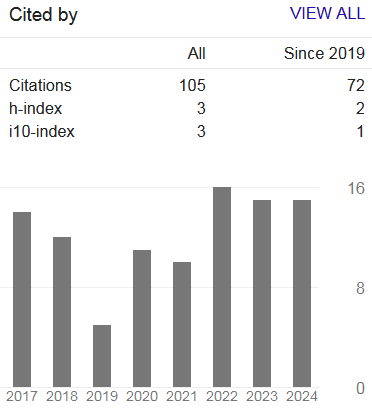
  Google h-index:
  Downloads: